


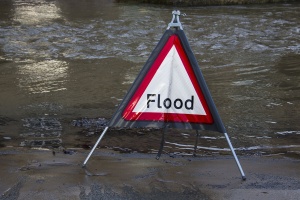
Picture it: a cedar-shingled cottage two blocks from the beach, an outdoor shower, a deck that catches the evening breeze off Barnegat Bay. You’re already planning where the beach chairs go. Before you write that offer, though, there’s a less romantic question every buyer of Seaside Park real estate should ask. What happens to this house when the water comes up?
Seaside Park sits on a narrow barrier island with the Atlantic on one side and the bay on the other. That’s the whole appeal, and it’s also why flood risk belongs at the top of your checklist, not the bottom. The good news is that answering the question takes a little homework, not a crystal ball.
Start With the Map, Not the Listing Photos
Listing photos are taken on sunny days. Flood maps aren’t. Every property in town falls into a flood zone designated by FEMA, and that letter code shapes your insurance bill, your lender’s requirements, and sometimes what you’re allowed to build later.
You can look up any address yourself on the FEMA Flood Map Service Center. In shore towns you’ll typically see a few designations:
- VE zones face wave action from coastal storms and carry the strictest building standards.
- AE zones are high-risk areas where flooding is expected in a major storm, but without the same breaking waves.
- X zones are moderate-to-lower risk. Lower doesn’t mean none, and plenty of X-zone homes have taken on water.
Two homes on the same street can land in different zones, so check the exact address rather than assuming the neighborhood tells the story.
Ask for the Elevation Certificate
If the flood zone is the headline, the elevation certificate is the fine print that matters. This document, prepared by a licensed surveyor, records how high the lowest floor sits relative to the expected flood level. A house raised well above that line can be a very different proposition from one at grade, even if they share a zone.
Many Seaside Park homes were lifted or rebuilt after Superstorm Sandy, and those owners usually have a certificate on file. If the seller doesn’t, ask whether one can be ordered before you’re locked in. It’s a small cost compared with guessing.
Read the Seller’s Flood Disclosure Closely
New Jersey now requires sellers to disclose flood information in writing. Since March 2024, the state’s property condition disclosure form asks whether the home is in a FEMA flood hazard area, whether it has flooded before, whether there have been flood insurance claims, and whether federal law requires flood insurance on it.
Don’t skim this page. A “yes” isn’t automatically a deal-breaker; lots of excellent shore homes have a flood history and have since been raised or repaired properly. What you want is the full picture: when it happened, what was damaged, what was fixed, and who did the work.
Get a Flood Insurance Quote Before You Make an Offer
This is the step buyers most often leave too late. If you’re financing a home in a high-risk zone, your lender will require flood insurance, and that premium becomes part of what you pay every month whether you think of it that way or not.
Under FEMA’s current pricing approach, premiums are based on each individual property’s characteristics, including elevation, distance to water, and rebuilding cost. Two similar-looking homes can come back with very different numbers. Ask an insurance agent for a quote on the specific address early, and ask the seller what they currently pay. Some policies can be transferred to a new owner, which may be worth knowing.
Look at the House Like the Water Would
On your walkthrough, think less about the kitchen finishes and more about what sits below the living space:
- Where are the furnace, water heater, and electrical panel? Equipment on an upper level or a raised platform fares far better than equipment on the ground floor.
- Is the area beneath an elevated home used only for parking, access, and storage? Finished living space below the flood level can create insurance and code headaches.
- Does the lower level have flood vents that let water pass through instead of pushing against the walls?
- How does the lot drain after a heavy rain? Bayside streets in particular can see tidal flooding, also called nuisance flooding, even without a storm.
Your home inspector can comment on many of these points, but they’re worth noticing yourself on the first visit.
Plan for Changes You Might Make Later
Thinking about a second-story addition or a full renovation down the road? In flood zones, a project above a certain size can trigger a requirement to bring the whole structure up to current elevation standards. That can turn a “simple” remodel into a much bigger job. Check with the borough’s construction office about the rules before you count on a renovation plan.
Why Local Help Pays Off

None of this is meant to scare anyone away. Seaside Park remains one of the most rewarding places on the Jersey Shore to own a home, whether it’s a year-round residence, a family getaway, or a rental investment in a town with a lot to offer. Buyers who understand flood risk simply make better offers and get fewer surprises after closing.
That’s where an experienced local team helps. The agents at Birchler Group have worked the barrier island for decades, with an office right on Central Avenue in Seaside Park. They know which blocks drain well, which homes have been raised, and which questions to put to the seller before you sign anything. If you’re ready to explore Seaside Park real estate, start the conversation with people who know the island, in all kinds of weather.